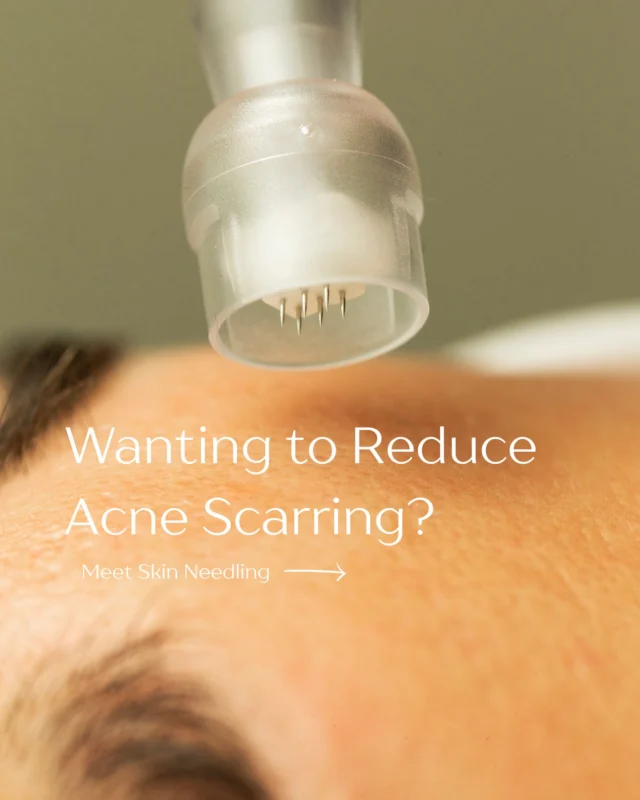
Everything You Need To Know About Skin Needling
What Is Skin Needling?
Skin needling has fast become one of the most popular treatments on the market, harnessing the skin’s natural healing process to rejuvenate itself from the inside out.
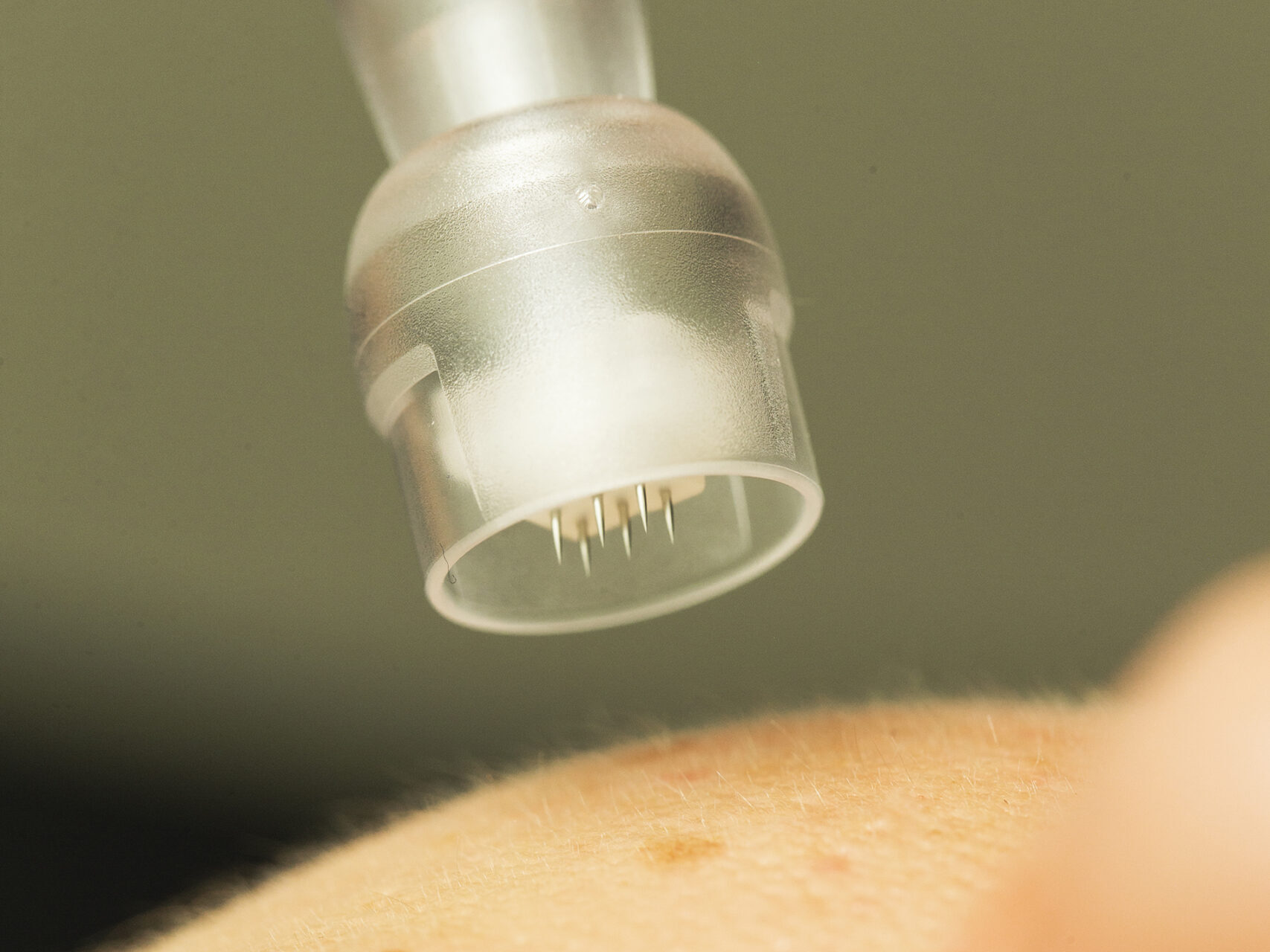
Also known as collagen induction therapy or microneedling, skin needling creates micro-injuries that penetrate the surface of the skin using tiny needles on a pen or roller.
This process stimulates the production of new collagen and elastin, essential proteins for skin elasticity and firmness. This wound-healing response triggered by the needles can also effectively treat acne scars, wrinkles, fine lines, and pigmentation.
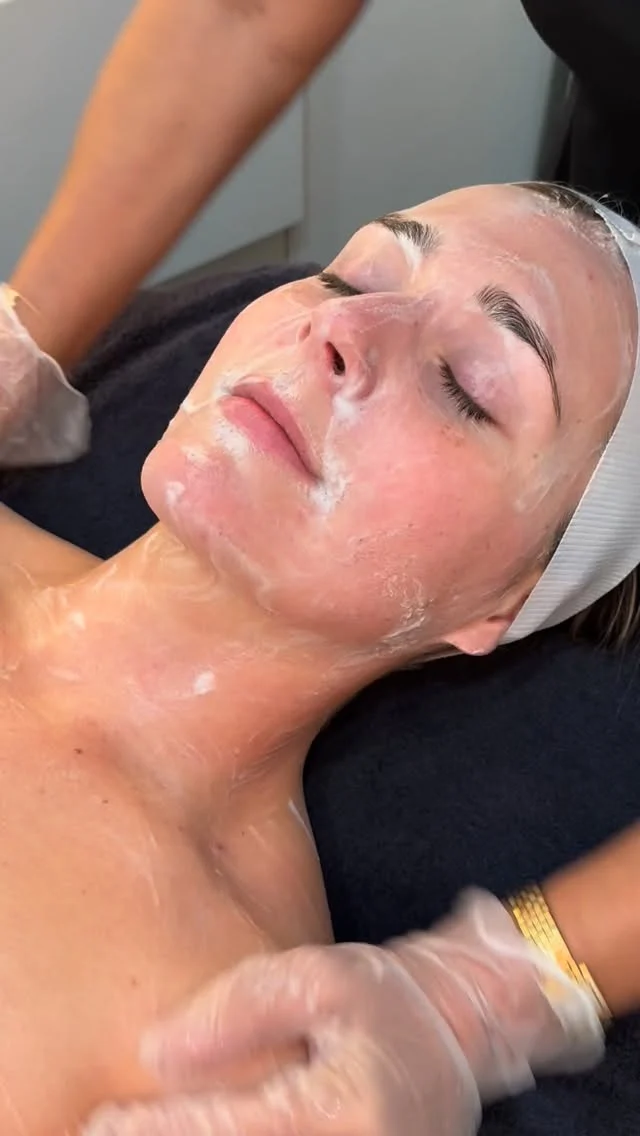
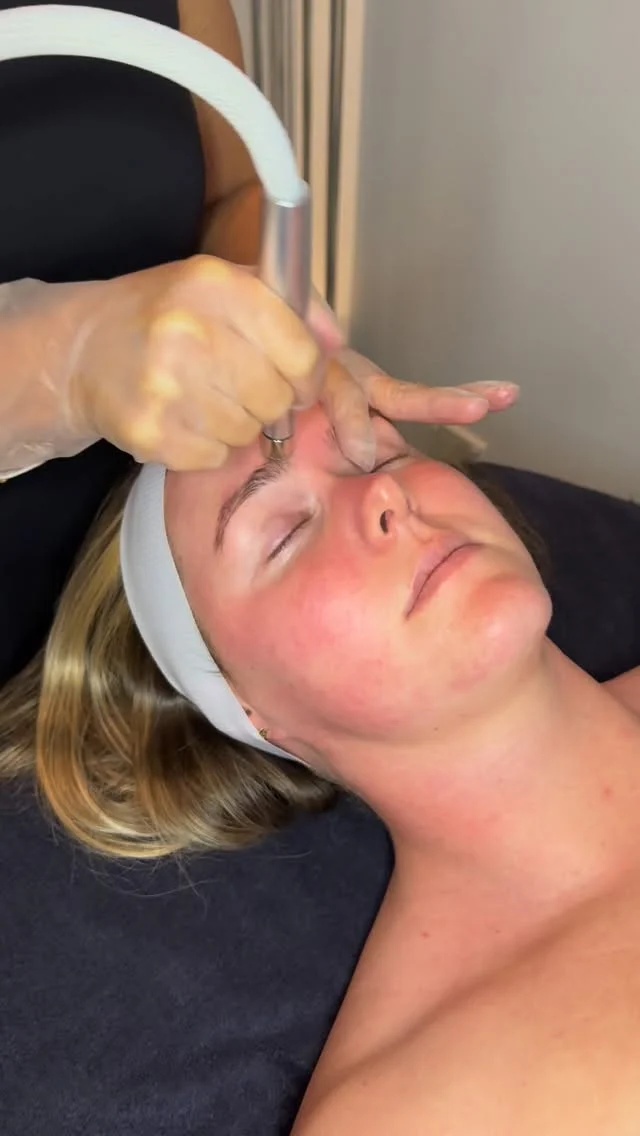
At Jana Beauty, skin needling is performed using an eDermaStamp, the benchmark in microneedling technology.
What Can Skin Needling Improve?
Given the treatment’s effectiveness in stimulating new collagen and elastin, along with its relatively short downtime, skin needling is used to improve a wide range of skin concerns, from signs of aging and pigmentation to scarring and uneven skin tone.
Regular skin needling sessions can improve signs of sun damage and hyperpigmentation, reduce enlarged pores, fine lines and wrinkles, and repair acne, injury-related or surgical scarring.
Skin needling is a popular treatment for the face, as well as the neck and décolletage, used to improve firmness, signs of aging, and texture in often neglected areas.
How Often Should Skin Needling Be Done?
Like most treatments, the effectiveness of your skin needling results depends on consistency.
Results can typically be noticed 3 to 4 weeks after a session, as collagen production rebuilds. For optimal results, it is recommended to undergo 4 to 6 treatment sessions, 5-6 weeks apart.
What Downtime And Aftercare Is Required?
When performed correctly by a trained skin therapist, skin needling should not be painful. The sensation is described as prickly and uncomfortable, but can be eased by numbing cream, at the discretion of your skin therapist.
Because the treatment involves making micro-injuries on the surface of the skin, a session typically involves 24 to 72 hours of visible downtime. In the days following a treatment, you may experience redness, slight swelling or a sunburnt sensation. On days 3 to 5 of recovery, skin can be slightly dry or flaky as it continues to heal.
If redness or irritation persists beyond 7 days, contact your skin therapist.
In the days following a skin needling session, avoid any intense heat, such as saunas, excessively hot showers, and direct sun exposure. It is also recommended to avoid intense exercise and sweating while the skin recovers.
Active skincare ingredients should also be avoided, especially products containing retinol, acids (such as AHAs and BHAs), and vitamin C. If you’re unsure whether your regular skincare regimen needs ot be adapted, speak with your skin therapist.
Who Should Avoid Skin Needling
While skin needling is a minimally invasive and effective treatment for a range of skin concerns, it is not suitable for everyone.
Those with active acne, especially of a cystic or inflammatory nature, should avoid the treatment until their skin improves. Cold sores, psoriasis, eczema and rosacea can also be irritated by the treatment, spreading bacteria and worsening existing inflammation.
Individuals with bleeding or clotting issues are also advised to avoid skin needling, as well as pregnant or breastfeeding women.
Always inform your skin therapist of any recent skin procedures or specific medications.
The Risks Of At-Home Skin Needling
While there are many products on the market that claim to replicate similar results as the medical-grade equipment used in salons by professionals, attempting to perform skin needling at home comes with immense risk.
Given the treatment’s reliance on micro-injuries to stimulate collagen production and repair skin concerns, performing the technique without sufficient training or hygiene at home could lead to infection, scarring and hyperpigmentation.
At Jana Beauty, skin therapists use the eDermaStamp, a medical-grade system that’s extremely safe and precise, as well as applying correct pre- and post-treatment care.